VPS Snaps
ProductivityScheduled backups for your servers, into a bucket you own
VPS Snaps stands out as a must-have tool for anyone managing servers, offering effortless automation and robust data security.
Key Advantages
- ✓Automated backups save time and reduce human error.
- ✓Data is securely stored in your own S3 bucket.
- ✓Support for various cloud providers and backup types.
Trade-offs & Considerations
- •Advanced database backup features require a paid plan.
- •Initial setup may require some technical knowledge.
What is VPS Snaps?
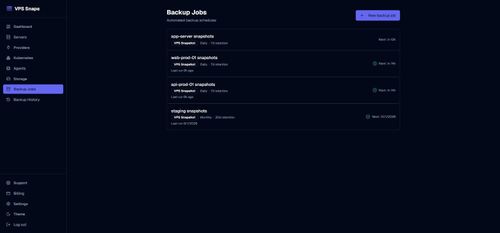
VPS Snaps is a powerful tool for automating server backups, providing scheduled snapshots, database dumps, and Docker/Kubernetes backups. It ensures you never lose critical data by safely storing every archive in an S3 bucket you control.
Key Features & Highlights
5 FeaturesCore capabilities and advantages of using VPS Snaps for your workflow:
How to use VPS Snaps
To use VPS Snaps, start by creating an account and connecting your cloud provider through OAuth or API tokens. Next, configure your backup jobs by selecting the type of backup—whether it be a VPS snapshot, database dump, or file backup—and set your preferred schedule. Finally, sit back and relax as VPS Snaps takes care of the rest, automatically securing your data.
About VPS Snaps
VPS Snaps revolutionizes the way indie founders and developers handle backups, allowing for a seamless, automated process that mitigates the risk of data loss. With features like provider snapshots, database backups, and the ability to manage backups for Docker and Kubernetes, this tool offers unmatched flexibility and security. Founders should care because it simplifies the backup process, saving valuable time and ensuring peace of mind.
Real performance numbers in the last 30 days
Frequently Asked Questions
Common questions about VPS Snaps, features, and launch details.
Q:Is VPS Snaps really free to start?
Yes, you can back up your first server free, forever, without needing a credit card.
Q:What cloud providers does VPS Snaps support?
VPS Snaps supports major cloud providers like DigitalOcean, AWS, Google Cloud, Linode, Hetzner, and Vultr.
Q:How secure are my backups with VPS Snaps?
Your backups are securely stored in your own S3 bucket, and sensitive information is encrypted using AES-256-GCM.
Related Productivity Apps
View All →
Kura
Your collection, treasured.
pdfpix
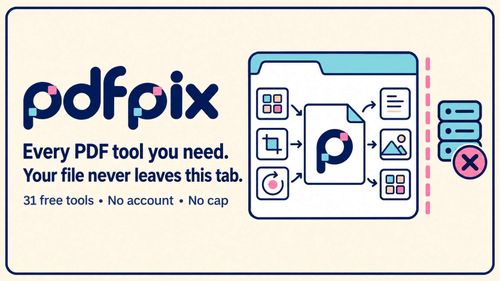
31 PDF tools that run in your browser and verify every result.
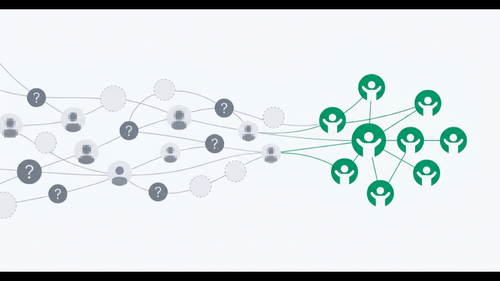
ShieldLabs
Fraud detection and prevention with traffic quality scoring

HireVue Practice
Practice the HireVue before it practices you.
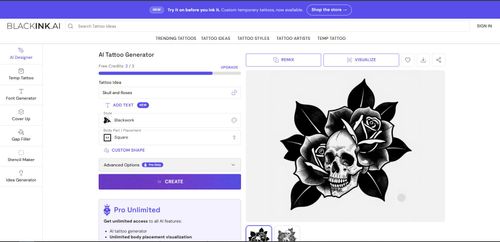
BlackInk AI
Create unique tattoos in seconds.
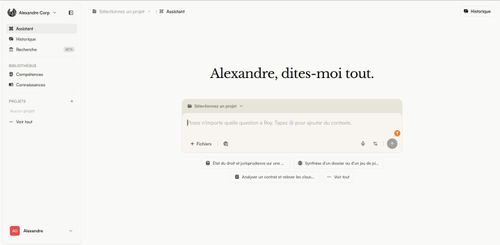
Roy
The best legal AI for French law.
Featured Banner for VPS Snaps Productivity Tool (1080x75)